
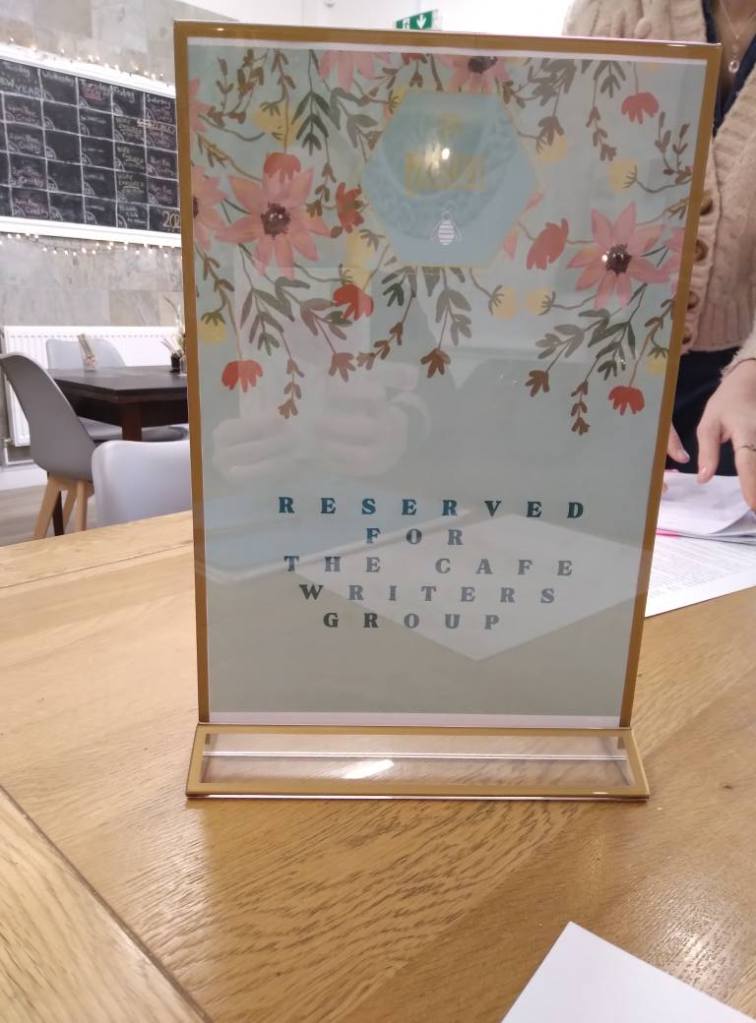
Join a creative writing group? You laugh a little nervously. Well, I did enjoy English at school, you say. Still a scary prospect? So is cladding yourself in Lycra and going to an exercise class, or joining the gym for the very first time. Yet this is good for your mental agility and will strengthen your memory and sense of self-esteem, even improving cognitive ability and delaying the possibility of dementia. (See links at end).
Won’t it be expensive? Eleven weeks with me is comparable to many gym memberships, and your mental longevity is as valuable to you as your physical health; I’m keen that fees are not a barrier for anyone, so please message me if you’d like to join but really can’t afford it.
What will I write?
Every week I bring a new theme, with a handout that I send in advance to those who’d like this. It’s not all about fiction; you can write from life experience every time if you like, though you will probably choose to dabble with other options. So have you had a life experience you’d love to share about, or do you have knowledge on something you’d like to pass on? Are there stories you’d want to share with your children or grandchildren? I will help you to craft these using the same skills needed for engaging fiction, thinking about your characters – including yourself – and your settings, so that they come alive, about your descriptions, language choices or more. Perhaps you do have a yearning to write good fiction – I can help you with this too!
What’s the vibe like?
My classes are very relaxed and we laugh – a lot. I never pressure students to read aloud to the others, though often they begin to. In all my groups I have some students who’ve been with me for the past decade! A real sense of community develops as we share life together. You will never be the only newbie though, and if you are joining in Eythorne or Thursdays online, you’ll find many beginners alongside you.
What will I get from it?
A session to look forward to every week, helpful tuition, an engaging group, and personal guidance if you are prepared to share your work with me and take advice on how to move forwards. (I have taught creative writing in universities for many years so can help you progress.)
Many of my students say they’ve discovered a love of reading new genres too.
‘Your classes are addictive.’ ‘The best two hours of my week.’ (Full reviews on my ‘courses’ page.)
I also produce an annual anthology of my students’ work that you can purchase.
RESOURCES on creative writing for wellbeing:
https://pmc.ncbi.nlm.nih.gov/articles/PMC9170261/
https://www.bolton.ac.uk/blogs/psychological-benefits-of-creative-writing
https://ocean.exacteditions.com/issues/113657/page/35?rc=cbded4bf-d38e-4932-96a0-97694481a793
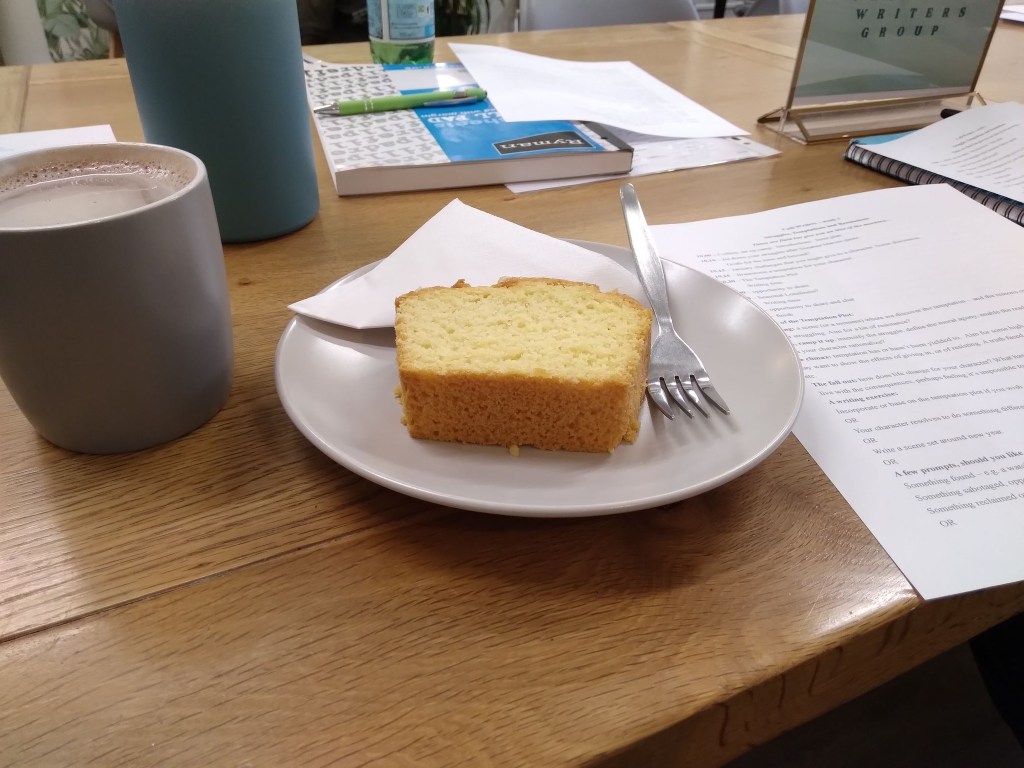
Journal of Experimental Psychology: Learning, Memory, and Cognition. “The study discovered that when individuals penned for 20 minutes about their opinions and emotions on a certain topic, they exhibited superior mental clarity compared to those who did not write. This was notably true for people who had lower levels of mental clarity to start with.”
‘The Therapeutic Benefits of Writing a Novel’ by Jessica Lourey in Psychology Today:
‘There are many of us who need to process our garbage so we can choose a better life, but who can’t bear the idea of writing memoir, whether it’s because we are too close to the trauma, don’t want to hurt or be hurt by those we’re writing about, or simply prefer the vehicle of fiction.
‘I came to call this healing process “rewriting my life,” as I was taking real events and repurposing them to fit a fictional narrative. The power of this process is transformative. Writing fiction allows you to become a spectator to life’s roughest seas. It gives form to your wandering thoughts, lends empathy to your perspective, allows you to cultivate compassion and wisdom by considering other people’s motivations, and provides us practice in controlling attention, emotion, and outcome. We heal when we transmute the chaos of life into the structure of a novel, when we learn to walk through the world as observers and students rather than wounded, when we make choices about what parts of a story are important and what we can let go of.
‘Nor is the therapeutic power of novel writing exclusive to those who have experienced deep trauma. Dr. Pennebaker found that directed, expressive writing is beneficial for everyone, meeting us where we are at, whether we’re coming to terms with a difficult commute, struggling against an annoying coworker, navigating a divorce, or coping with deep grief or PTSD.
‘You don’t even have to want to publish what you write, and in fact, it’s okay if you don’t. If you begin from the perspective that your writing is private, you give yourself permission to write freely and with integrity without polluting your story with the fickle demands of the publishing world because here’s the truth: it doesn’t matter if you burn the novel the second you finish penning it. You can even toss it in the air, still burning, fire bullets into it, pour acid on it when it falls, and bury the ashes. You’ll still reap all the physical and psychological benefits of writing it. The balm and insight lie in externalizing and controlling the story, not in showing it to others.
‘If and when you do decide to publish, though, you’ll have something genuine and powerful to offer the world. Dickens, O’Brien, Ephron, Allende, and hundreds of other bestselling authors created compelling stories because they pulled them from a place of truth, vulnerability, and experience. Turning crucible moments into a novel is not only regenerative for the writer, it’s glorious for the reader. That authenticity creates an indelible story.’
 Caroline Greville
Wonderful ♥️
LikeLiked by 1 person
Welcome to my site! Do you write? Let me know if you’re interested in a course. Best wishes, Caroline
LikeLike